iSimangaliso Wetland Park: A Complete Guide to South Africa’s Wetland Paradise
iSimangaliso Wetland Park on KwaZulu-Natal’s Elephant Coast is one of the most diverse protected areas on Earth. South Africa’s first UNESCO World Heritage Site links eight ecosystems: mountains, savannah, grasslands, wetlands, lakes, coral reefs, rocky shores and coastal dune forests. In a single trip you can watch hippos in an estuary, track rhino on a game drive, snorkel a coral reef and see turtles nest on a wild beach.
Why visit iSimangaliso Wetland Park?
- Big Five and more: lion, leopard, elephant, buffalo and both black and white rhino occur in the park’s game-viewing sections.
- Hippos and crocodiles: Lake St Lucia is home to one of South Africa’s largest hippo populations.
- Exceptional birding: over 500 species have been recorded, including East Coast specials that are hard to find elsewhere in South Africa.
- Marine life: coral reefs at Sodwana Bay, migrating humpback whales in winter and nesting turtles in summer.

The main sections of the park
Lake St Lucia and the estuary
The village of St Lucia is the park’s main base, with guesthouses, restaurants and tour operators. A boat cruise on the estuary is a must for close views of hippos, crocodiles, pelicans and African fish eagles. The estuary boardwalk and the self-guided Igwalagwala forest trail are both excellent for birds.
Eastern Shores and Cape Vidal
Between the lake and the ocean, the Eastern Shores combine grassland, freshwater pans, swamp forest and some of the highest vegetated dunes in the world. Look for buffalo, kudu, red duiker and leopard on the drive to Cape Vidal, a sheltered beach that’s ideal for a picnic and a swim. Look-outs and hides such as Mission Rocks and Lake Bhangazi reward patience.
Western Shores
Drier and higher than the Eastern Shores, the Western Shores have quiet game drives, hides overlooking pans and aerial boardwalks above the St Lucia narrows.
uMkhuze
Set against the Lebombo Mountains, uMkhuze is the park’s premier Big Five section and an internationally known birding hotspot. The hides at kuMasinga and the iNsumo Pan system are superb in the dry winter months, when animals gather to drink. Don’t miss the Fig Forest walk.
Sodwana Bay
Sodwana is South Africa’s top scuba-diving destination. Its reefs host hundreds of fish species, turtles and the occasional whale shark, and the snorkelling is excellent too.
Kosi Bay and the Coastal Forest Reserve
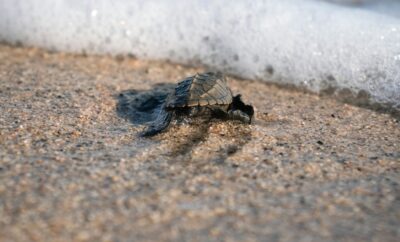
In the far north, Kosi Bay’s chain of lakes is famous for its traditional fish traps and remote beaches. The coast between Manzengwenya and Bhanga Nek is the heart of the leatherback turtle nesting zone. See our guide to turtle tours in iSimangaliso.
Birding in iSimangaliso
More than 500 bird species have been recorded across the park, and at least 420 in the uMkhuze section alone. Highlights include:
- uMkhuze: Narina trogon, African broadbill, eastern nicator, pink-throated and green twinspots, and large breeding colonies of water birds at iNsumo Pan
- Eastern Shores: Livingstone’s turaco, southern banded snake eagle, woolly-necked and saddle-billed storks, swamp nightjar
- Lake St Lucia: pelicans, flamingos, terns and herons
- Coastal forests: green malkoha, Woodward’s batis and lemon-breasted canary
For the best results, hire a local community bird guide, as many of them trained in the park itself.
When to visit iSimangaliso Wetland Park
- May to September (dry winter): mild days, fewer mosquitoes and the best game viewing as vegetation thins. Humpback whales pass offshore.
- October to March (wet summer): hot and humid, lush scenery and peak birding with migrants present. November to March is turtle season.
The northern parts of KwaZulu-Natal are a low-risk malaria area, so check current health advice with your travel clinic before you go.
How to get there
St Lucia is roughly a three-hour drive north of Durban’s King Shaka International Airport. Many visitors combine iSimangaliso with Hluhluwe-iMfolozi Park, the oldest proclaimed game reserve in Africa and the place where the white rhino was saved from extinction, and with neighbouring Eswatini. Our 2-week South Africa itinerary shows how it all fits together.
iSimangaliso Wetland Park FAQ
How many days do I need in iSimangaliso?
Plan at least three nights: one full day for St Lucia and the Eastern Shores, one for uMkhuze, and extra time if you want to dive at Sodwana or visit Kosi Bay.
Can you see the Big Five in iSimangaliso?
Yes. The Big Five occur in the park, with uMkhuze and the Eastern and Western Shores offering the best chances.
Is iSimangaliso a good self-drive destination?
Yes. Most sections have good roads for a normal car. A 4×4 is only needed for parts of the far north, such as Kosi Bay.
Find more safari and wildlife guides, or talk to us about a tailor-made Elephant Coast trip. Official park information is available on the iSimangaliso website.