Sabi Sabi Month by Month: The Best Time to Visit Sabi Sabi Game Reserve
Sabi Sabi Private Game Reserve lies in the Sabi Sand area of the Greater Kruger, in South Africa’s Mpumalanga Lowveld. There are no fences between it and Kruger National Park, so wildlife moves freely, and the reserve is famous for its leopard sightings. Guests often ask when the best time to visit Sabi Sabi is. The honest answer is any time: every month in the bushveld has its own character. This guide will help you choose.

Sabi Sabi seasons at a glance
- Dry winter (May to September): cool mornings, warm days, sparse vegetation and the easiest game viewing.
- Green summer (October to April): hot days, afternoon thunderstorms, lush scenery, baby animals and peak birding.
Sabi Sabi month by month
January
The bush is lush and green and alive with birdsong and frog choruses. Long, hot days end in fiery sunsets, the animals are in peak condition, and water is plentiful in the pans and rivers.
February
Days stay long and warm, with occasional dramatic thunderstorms. The season’s young animals are growing bolder and are easier to spot.
March
A hint of autumn arrives and rain becomes less frequent. Large herds graze the still-green plains, with predators never far behind.
April
Autumn colours appear as leaves turn red, brown and gold. The impala rut begins, filling the bush with snorting and roaring. Skies are clear and evenings comfortably warm.
May
The dry season sets in. As the grass shortens and water becomes scarcer, game viewing improves sharply. Migratory birds leave for the north.
June
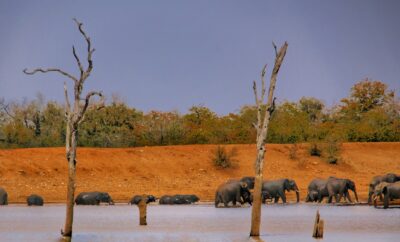
Mid-winter brings chilly mornings and evenings but mild, sunny days. Animals gather at waterholes, making this one of the best months for sightings.
July
Dry, clear and cool at the edges of the day, so bring layers. Bare trees silhouetted against blue skies make this a favourite month for photographers.
August
Days lengthen and warm up, but vegetation is at its sparsest and the dams and waterholes are the only water sources. Wildlife is easy to find.
September
Spring arrives, the bush waits for the first rains, the dawn chorus builds, and many antelope are heavily pregnant.
October
The first rains bring a flush of green. The first impala lambs are born, and migrant birds start to return.
November
Afternoon thunderstorms roll through, temperatures climb and newborn animals are everywhere, which keeps the predators busy. Wildflowers bloom across the reserve.
December
Long, hot, festive days with fresh mornings and warm evenings. All the migrant birds are back, and game viewing remains excellent.
So when is the best time to visit Sabi Sabi?
- For the Big Five and easiest sightings: June to September.
- For photography: July and August for clear light and open bush; November to February for green scenery and stormy skies.
- For birding and baby animals: November to February.
- For value: look for seasonal specials outside the peak holiday periods.
Where to stay at Sabi Sabi
Sabi Sabi has four lodges, each with a distinct style:
- Bush Lodge: the largest and most family-friendly, with a children’s programme, spa and a wheelchair-accessible suite.
- Little Bush Camp: an intimate camp of just six suites.
- Selati Camp: a romantic, old-world lodge inspired by the historic Selati railway line.
- Earth Lodge: a striking contemporary lodge built into the earth, with private plunge pools.
All four include game drives in open vehicles, guided bush walks and meals, often served in an outdoor boma. Read more about South Africa’s outdoor cooking tradition in our guide to the South African braai.
Sabi Sabi FAQ
Is Sabi Sabi malaria-free?
No. Sabi Sabi is in a malaria-risk area, especially in summer. Speak to a travel clinic about precautions. If you’d prefer a malaria-free safari, consider Madikwe Game Reserve.
How do I get to Sabi Sabi?
Fly to Skukuza or Kruger Mpumalanga International Airport and transfer by road, or take a scheduled light-aircraft flight to the reserve’s airstrip. The drive from Johannesburg takes about six hours.
Can you walk at Sabi Sabi?
Yes. Guided bush walks with an armed ranger are offered. Read more about walking safaris in the Greater Kruger.
Explore more safari guides, or contact us to plan your Sabi Sabi stay. Official lodge information is on the Sabi Sabi website.