
Walking Safari in the Greater Kruger: What to Expect on Foot in the Bush
A walking safari is the most immersive way to experience the African bush. Away from the hum of a vehicle you notice everything: fresh tracks in the sand, the alarm call of a francolin, the smell of wild sage, the crack of a branch as an elephant feeds nearby. The Greater Kruger, including private reserves such as Balule on the western edge of Kruger National Park, is one of the best places in Africa to try it.

What happens on a walking safari?
Walks usually start at first light, when it’s cool and the animals are active. You walk in single file behind an experienced, armed field guide, often with a tracker. The pace is slow and the focus is on interpretation: reading tracks and dung, identifying trees and medicinal plants, and understanding insects, birds and animal behaviour. Most walks last two to four hours, with a break for coffee or a drink in the bush.
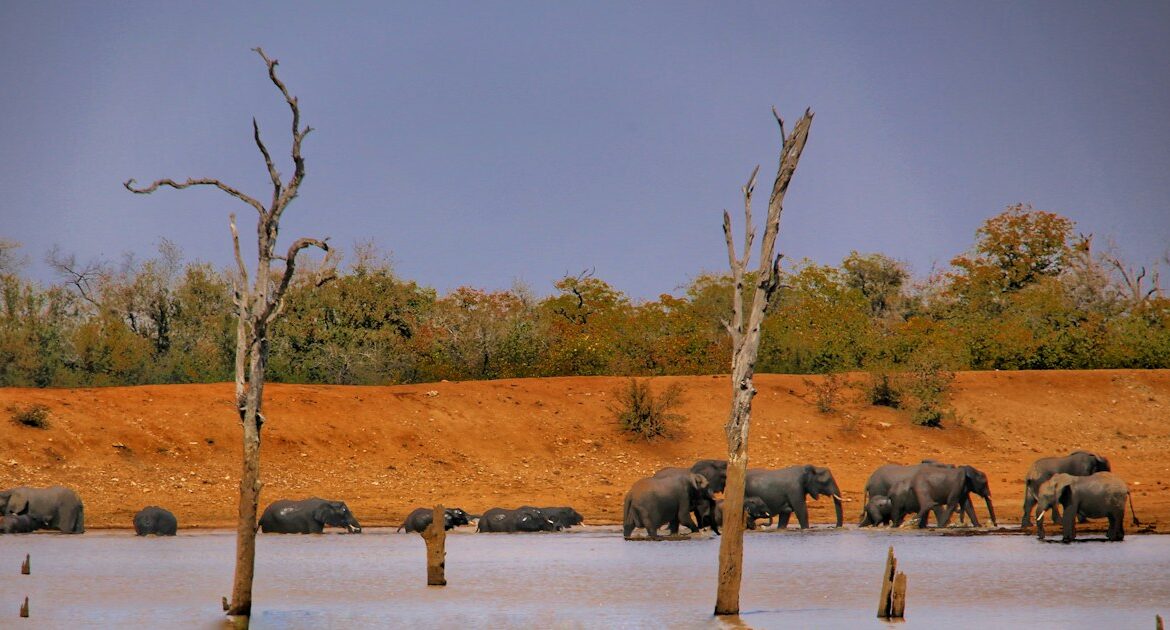
You may well approach big game on foot, such as rhino, elephant or buffalo, always at a safe distance and downwind. It’s the small details, though, that make walking unforgettable.
Types of walking safari
Morning bush walks
Many lodges offer a guided morning walk as an alternative to a game drive. It’s a great introduction for first-timers.
Multi-day walking safaris
Dedicated walking camps in the Greater Kruger build the whole stay around being on foot, typically with walks of three to four hours each morning and late afternoon. Some trails include nights in simple fly-camps or sleep-outs under the stars.
Kruger National Park wilderness trails
SANParks runs multi-night wilderness trails from rustic base camps in remote areas of Kruger National Park, led by park rangers.
Safety on a walking safari
- Guides are highly trained and qualified for dangerous-game walking.
- Always stay in single file and follow the guide’s instructions immediately.
- Never run. Stand still and stay quiet if you’re told to.
- Wear neutral colours (khaki, green or brown) and avoid white or bright clothing.
Who can go on a walking safari?
You need moderate fitness to walk a few hours over uneven ground in the heat. Most operators set a minimum age, typically between 12 and 16, and many ask guests to sign an indemnity form.
When to go
The dry, cooler months from May to September are ideal: short grass makes tracking easier and walking more comfortable. Summer walks start very early to beat the heat.
Getting there
Lodges in Balule and the wider Greater Kruger are reached by road from Johannesburg (about five to six hours), by shuttle, or by flying to Hoedspruit or Kruger Mpumalanga International Airport. Combine a walking stay with game drives at a reserve such as Sabi Sabi for a well-rounded safari. Looking further afield? Read about the epic Kenya walking safari in Tsavo.
Walking safari FAQ
Is a walking safari dangerous?
With a qualified, armed guide and a group that follows instructions, walking safaris have an excellent safety record.
Will I see the Big Five on foot?
Possibly, but the aim of a walk is the whole ecosystem rather than ticking off species. Most guests combine walks with game drives.
What should I pack?
Comfortable, broken-in walking shoes, neutral clothing, a hat, sunscreen, a refillable water bottle and binoculars.
Browse more safari guides, or contact us to plan a walking safari.

